Meta Ads for a London fashion brand: YTN No. 7
A London brand of conceptual leather goods: bags, backpacks, clothing and accessories.
YTN No. 7 is a London-based clothing and accessories brand. Its philosophy combines an architectural approach to form, craft precision and timeless minimalism. All products are made by hand in small batches in the brand’s own London workshop, with particular attention to material texture, structure and carefully considered proportions.
Project objective
Main objective
The client approached us to increase online sales for its clothing brand. Before we began working together, traffic was sent to a website built with a site builder such as Tilda. Its unconventional design departed from the familiar e-commerce user journey (UX/UI), severely limiting conversion.
The previous contractor had already run Meta Ads, but they generated only occasional sales. Our audit of the ad account identified key sources of wasted budget:
- No hypothesis testing: campaigns used only one creative each, mostly in the dynamic catalog format.
- Misaligned optimisation: some campaigns used the “Lead generation” objective instead of “Sales”, disrupting the algorithms’ search for online-store buyers.
We concluded that even the existing catalog creatives could produce results if the landing page converted the traffic.
Before starting work, we therefore initiated the online store’s migration to Shopify. This made it possible to create a clear, fast and familiar interface for international buyers.
Analytics and launch preparation
We began by analysing the client’s historical sales data to identify best-selling products. Based on those insights, we prepared minimalist static and video creatives focused on the brand’s USPs: handmade production and limited runs.
At the same time, we prepared a brief for the client’s photo shoots to ensure a steady flow of content, and recommended registering the brand on Trustpilot to build audience trust in search results. We also launched brand-awareness campaigns to attract Instagram followers and grow an engaged audience.
Campaign launch and change in optimisation objective
We initially launched campaigns in the US using a lookalike audience based on previous customers, as well as in Tier 1 European countries with interest targeting for fashion accessories.
Because the products had a high average order value, we first optimised for “Add to cart” so the algorithms could learn faster. After a week of testing, however, it was clear that users were adding products to their carts but not purchasing.
We relaunched the campaigns optimising for purchases, which brought the first sales from the US. We also launched a retargeting campaign offering a discount on the first order to users who had abandoned their carts or viewed product pages.
Testing new markets, improving conversion and reallocating budget
Japan was then added to the active markets. We noticed an unusual pattern there: users were adding products to their carts but not proceeding to payment.
After reviewing website session recordings, we found that prices were displayed in pounds sterling even when users changed their region. As a result, users left the site to copy the amount into a currency converter. Once we flagged and the client fixed this issue, sales from Japan became steady. Across these campaigns, the US and Japan performed well, while Europe had not yet generated sales.
We therefore decided to pause the European campaigns and focus the budget on the markets producing results. South Korea, Hong Kong and Singapore were later added successfully, while underperforming test markets such as Cyprus were promptly switched off.
Testing formats and reducing the cost per purchase
To scale the results, we tested catalog campaigns with different product groupings: all products, bestsellers and products with prices shown. This substantially reduced the average cost per purchase, from £300 to £150.
We also tested new video creatives, but they did not work. We then switched to static catalog-style banners featuring several products and later a single specific bestseller. Both approaches proved effective.
Relaunching in Europe
After identifying the consistently performing markets (the US and Asian countries) and effective creative formats, we decided to test the European market again. Reusing combinations that had already been proven successful produced a positive result, and Europe began generating sales.
To optimise the budget further and reduce the overall cost per purchase in this region, we removed countries that were spending without generating sales, including Italy.
Advertising creatives
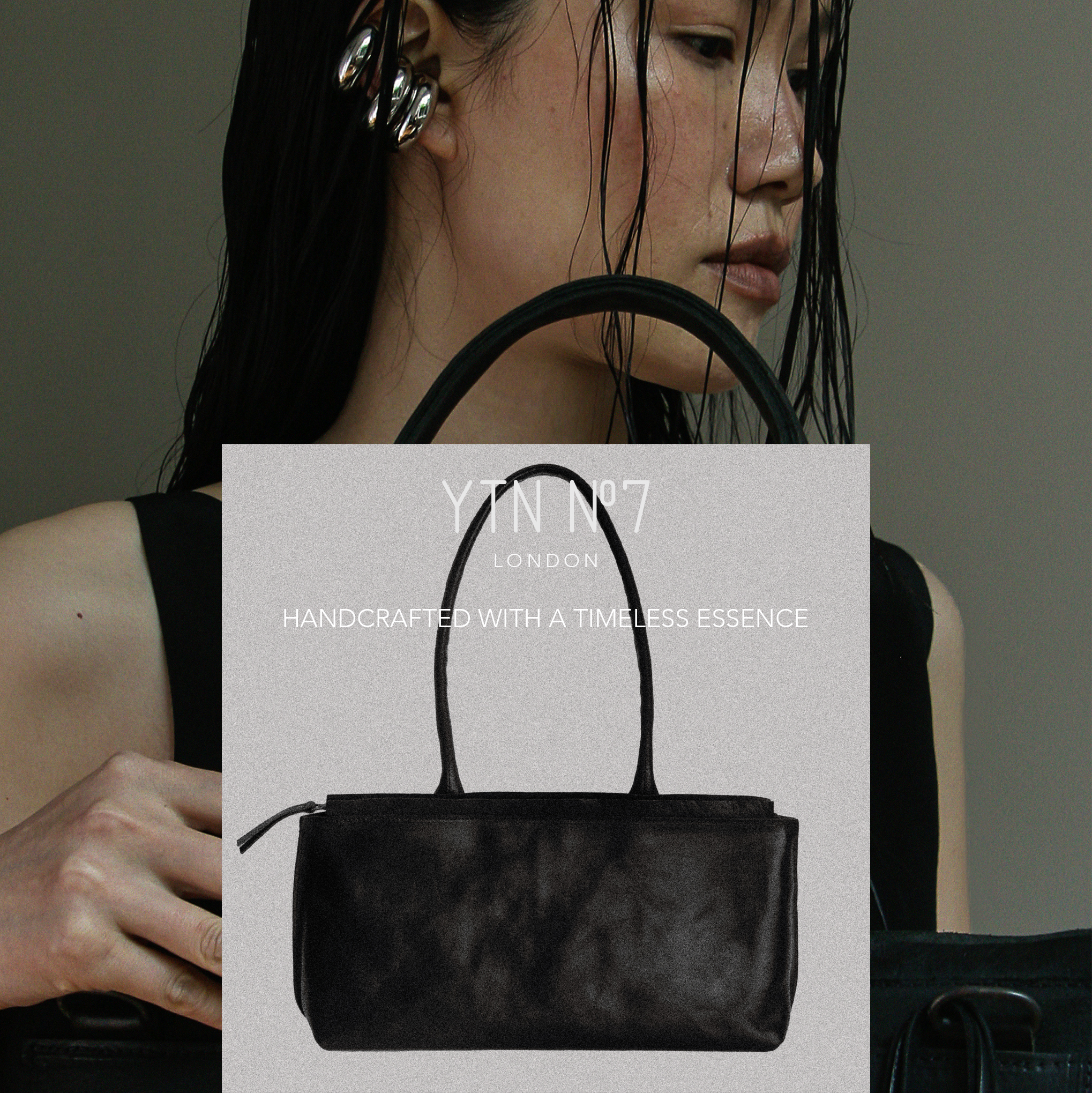
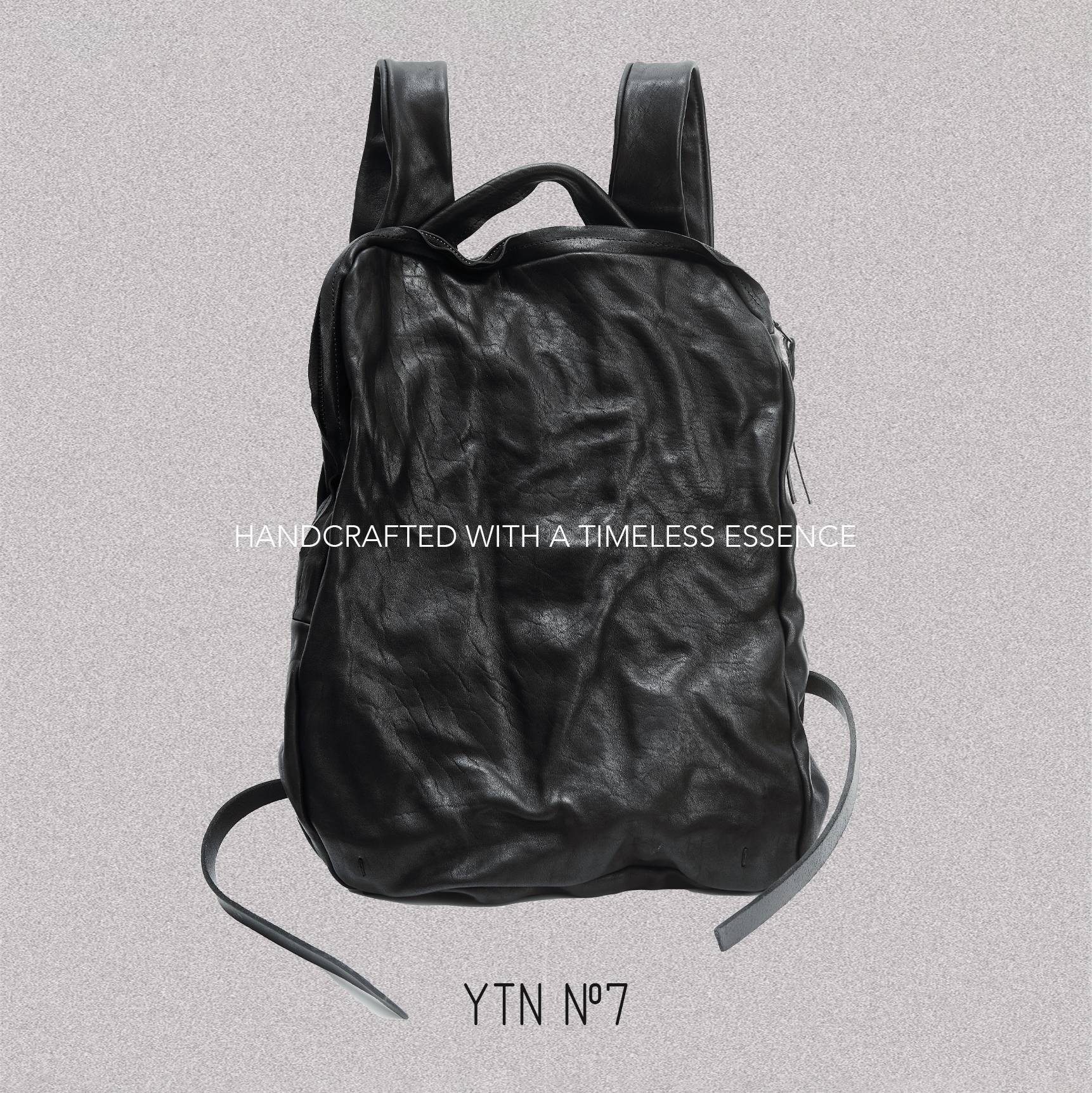
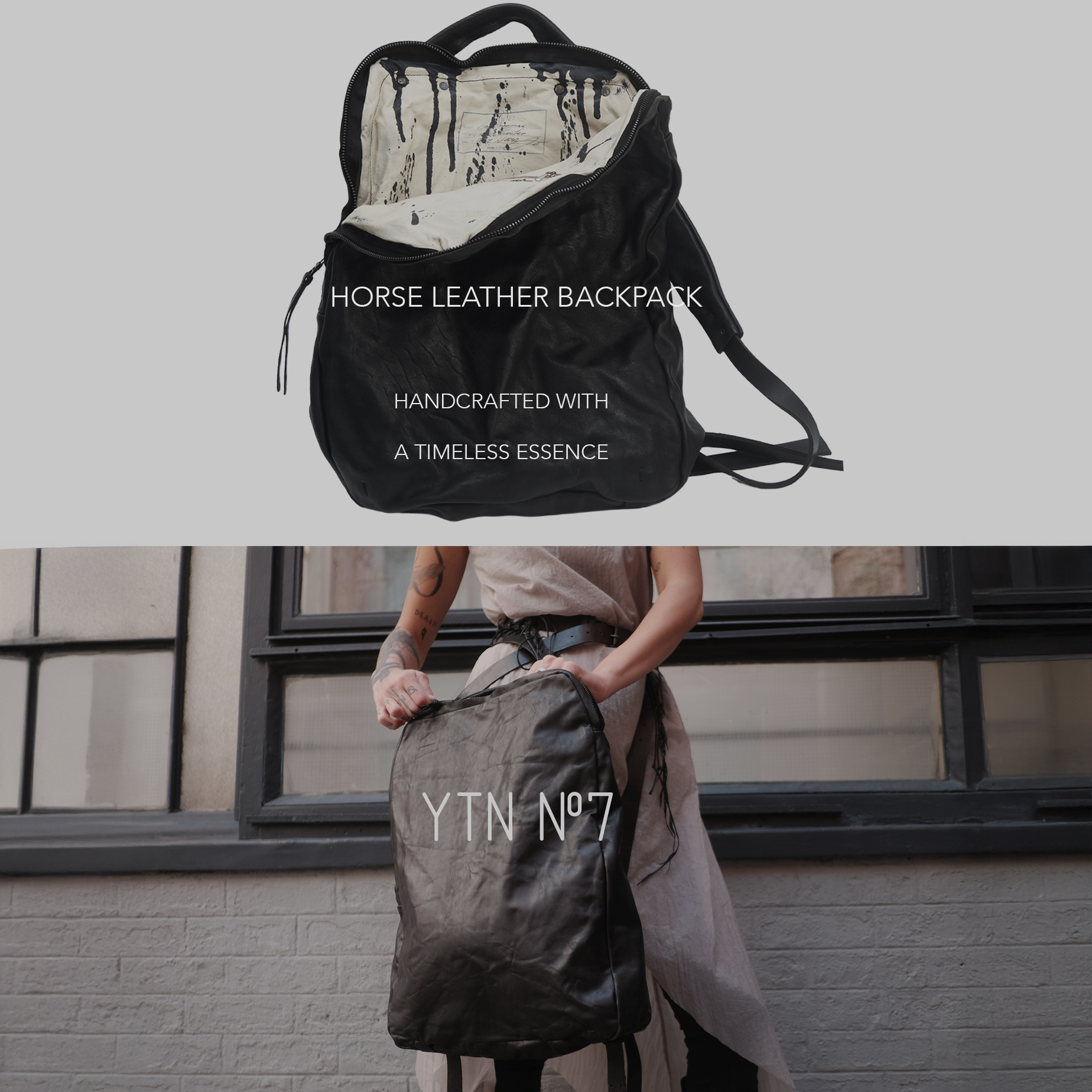
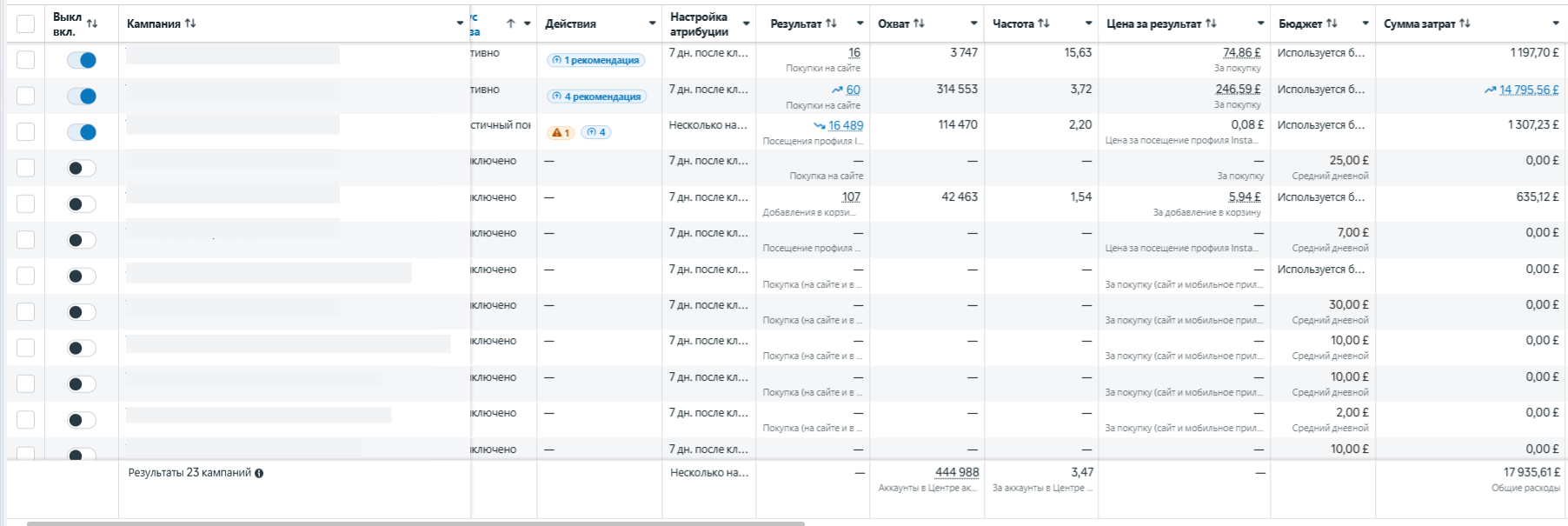
Screenshot of the Facebook Ads account
Results in numbers
£23 208
Advertising budget
122
Sales
ROAS
304%
£578,41
Average order value
Next steps and plans
Expanding communication formats: We are continuing to test new visual creative formats to diversify the messaging and find additional ways to reach the target audience.
Campaigns based on sales data: As more sales data accumulates, we develop new hypotheses and launch campaigns focused on confirmed bestsellers.
Category segmentation: We are testing product selections grouped into specific categories, such as separate ad sets or catalogs for bags and backpacks, to make offers more relevant.
Scaling: The overall goal of these iterations is to identify more combinations and formats that perform consistently, enabling the advertising budget to be scaled effectively within the target CPA.
Conclusion
In our work with London premium leather goods brand YTN No. 7, we implemented a strategy to build systematic online sales and expand advertising campaigns to international markets.
The main steps included initiating the store’s migration to Shopify, analysing user behaviour in depth (including fixing critical currency-conversion issues), and testing different markets, audiences and creative formats. The campaigns and subsequent optimisation produced these key outcomes:
- We successfully entered the US and Asian markets (Japan, South Korea, Singapore and Hong Kong), which accounted for most sales. We also found combinations that restored sales in Europe.
- The most effective communication approaches were static catalog-style banners and creatives focused on confirmed bestsellers.
Going forward, we will focus on finding new effective formats and scaling the advertising budget efficiently. We will continue testing visual creatives to broaden communication options with potential customers. Using accumulated sales data, we also plan to strengthen campaigns around best-selling products and test product selections grouped by category, such as separate selections for bags and backpacks, to improve offer relevance and increase overall profit.
Other projects